

The Culture Cliff: Why Great Cultures Collapse During Hypergrowth

Why Speed Breaks What You Thought Was Strong
Hypergrowth looks like the dream every founder and executive fights for, more customers, more revenue, more markets. But the very thing you celebrate can quietly sabotage the foundation that made growth possible in the first place: your culture.
The paradox of hypergrowth is this: the faster you scale, the weaker your cultural glue becomes, unless you actively evolve it.
Cultures don’t usually collapse because values change overnight. They collapse because speed outpaces clarity, alignment, and trust. What once worked in a 20-person team breaks at 200. Informal habits stop scaling. Leaders lose visibility. New hires inherit fragments of culture, not the full story.
This is the culture cliff, the point where momentum accelerates faster than meaning. Smart leaders know that hitting the cliff isn’t inevitable. But avoiding it requires foresight, discipline, and courage to re-engineer how culture scales.

Why Great Cultures Collapse in Hypergrowth
The culture cliff doesn’t show up on financial reports. It shows up in the energy of your people, the speed of decision-making, and the noise inside your communication channels. Four root causes drive cultural collapse in scaling organisations:
- Cultural Drift Through Hiring Speed
When you’re doubling headcount every year, hiring decisions often prioritise skill over fit. New hires arrive faster than culture can be absorbed. Instead of amplifying the company’s DNA, they fragment it.
- Leaders Shifting From Builders to Firefighters
Founders and executives often move from hands-on builders to crisis managers. Leadership energy shifts from shaping culture to plugging operational holes. The cultural narrative goes unspoken, and what’s unsaid gets replaced by individual interpretation.
- Communication Debt
In small teams, alignment is organic. Everyone hears the same stories and sees the same behaviours. In scaling companies, silos form. Messages get filtered, distorted, or delayed. When clarity declines, subcultures rise, and not always the healthy kind.
- Speed Over Standards
In hypergrowth, “good enough” often beats “done right.” Standards loosen in the name of speed. Over time, those shortcuts erode what made your culture trusted in the first place. People notice, and trust falls.
The Warning Signs You’re Nearing the Cliff
Leaders often miss the cliff until it’s too late. But there are early signals that culture is slipping:
- Meetings are filled with more reporting than problem-solving.
- New hires struggle to explain what the company stands for.
- Middle managers are enforcing rules instead of modelling values.
- Informal trust breaks down, replaced by process policing.
- Attrition rises among your earliest hires, the culture carriers.
If you recognise these patterns, you’re not broken. You’re scaling. But it’s time to act before the drift becomes a divide.

How to Protect Culture in the Face of Speed
Great cultures don’t collapse because of growth. They collapse because leaders expect old habits to survive new realities. Protecting culture means building new systems that scale trust, alignment, and meaning.
- Codify Before You Scale
Unspoken values don’t scale. Write them down. Teach them. Embed them in rituals, onboarding, and performance reviews. Clarity is the antidote to drift.
- Invest in Cultural Translators
Your middle managers are the most powerful culture carriers. Equip them to translate values into day-to-day behaviour. Train them not just to deliver tasks, but to model mindset.
- Redesign Communication for Scale
Replace “everyone knows” with deliberate systems: open forums, leadership broadcasts, peer-to-peer storytelling. Build communication that scales horizontally, not just top-down.
- Audit Standards, Not Just Metrics
Hypergrowth companies obsess over revenue, retention, and runway. But how often do you measure lived standards? Audit behaviours against your stated values. What you tolerate becomes the real culture.
- Celebrate Cultural Wins as Much as Commercial Ones
If you only celebrate revenue milestones, culture gets reduced to wallpaper. Recognise when someone makes a decision that upholds a value, even at the expense of speed.
Culture Must Evolve, Not Freeze
One mistake leaders make is treating culture like a museum, protecting it in its original form. But culture is alive. It should evolve with every stage of growth. The challenge is ensuring that evolution is intentional, not accidental.
Ask yourself:
- Which parts of our culture must never change?
- Which parts are ready to adapt?
- What new behaviours are required for the next phase of growth?
Your job as a leader is not to freeze culture. It’s to future-proof it.

Final Thoughts: Leading Through the Culture Cliff
Scaling without losing culture is possible, but it requires leadership to shift from guarding the past to designing the future. The culture cliff isn’t a death sentence; it’s a wake-up call.
The question isn’t whether your culture will change in hypergrowth. It’s whether you will shape the change, or let it shape you.
If you want your culture to survive scaling, you need to do more than set values. You need to live them, scale them, and make them unmissable in the moments that matter most.
Because when growth accelerates, culture isn’t what’s written on the walls. It’s what happens in the hallways, the meetings, and the decisions made under pressure.
The strongest cultures aren’t the ones that avoid the cliff. They’re the ones that build a bridge across it.


Subscribe to our Podcast
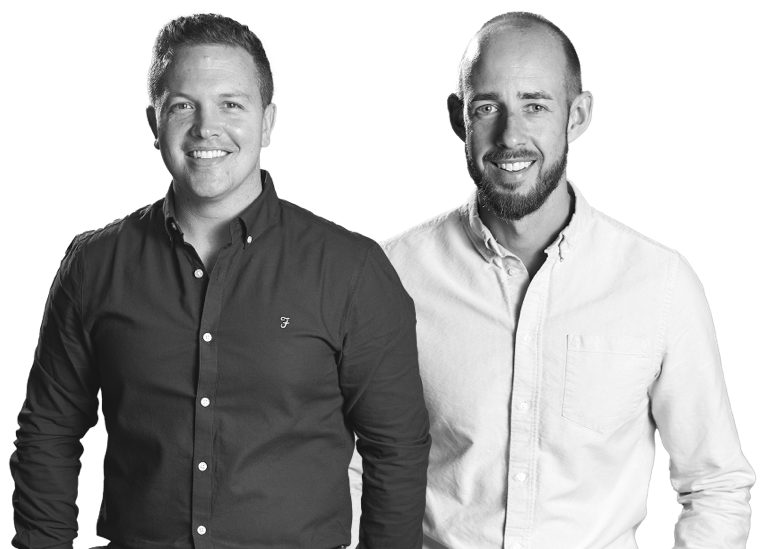
Hosted by our very own Ben Stocken and Benjamin Wade our ‘How They Lead’ podcast aims to evolve the way people perform in leadership roles by showcasing a variety of high performance interviews with people from Patrick Kershaw from The RAF Red Arrows to CEO’s like Steve Phillips who help large brands like Pepsi, Mars and Unilever.
Get one step ahead – Click below to subscribe.