

The Return of Craftsmanship: Why Depth (Not Just Speed) Wins in High-Growth Teams

Growth environments today worship speed. Quicker decisions, faster launches, more meetings, tighter deadlines. The language of “scaling” often becomes a synonym for acceleration.
But here’s the paradox: speed without depth rarely compounds into sustainable performance. In fact, many scaling teams find themselves moving faster but achieving less. Work gets shipped, but rework follows. Deadlines are hit, but quality frays. The result? Burnout dressed up as progress.
History tells us something different. Whether it’s an artisan perfecting their craft or a tech company refining a product, excellence has always outlasted efficiency. Depth creates durability. Craftsmanship, doing fewer things, but doing them better remains a leadership advantage that speed alone cannot replicate.
Why Craftsmanship Is the New Differentiator
High-growth markets are crowded. Competing on speed alone is a race to the bottom, because someone will always be faster, cheaper, or noisier. What differentiates enduring leaders and organisations is quality that compounds:
- Trust: Clients and teams trust leaders who deliver consistently, not just quickly.
- Reputation: Craftsmanship builds word-of-mouth that marketing budgets cannot buy.
- Resilience: High-quality systems and processes adapt under stress, unlike rushed hacks.
Think about Steve Jobs’ obsession with the unseen back of the Mac or Toyota’s relentless pursuit of kaizen. Both prove that craftsmanship, care, detail, and a standard beyond “good enough” drives loyalty and resilience that speed-focused competitors struggle to match.
The Efficiency Trap in High-Growth Teams
Most leaders fall into the efficiency trap without noticing. It sounds like:
- “We don’t have time to train properly, let’s just get them delivering.”
- “Good enough for now, we’ll fix it later.”
- “We need more meetings to get clarity quickly.”
The trap is that later never comes. “Temporary” fixes calcify into culture. Teams begin to believe that rushing is the norm and excellence is optional. That’s when trust erodes and high performers quietly leave.
Efficiency is necessary, but not sufficient. Without craftsmanship, it’s motion without meaning.

Performance Depth Creates Speed (Eventually)
Here’s the leadership paradox: depth is what unlocks speed. A team that invests in slowing down to refine systems, strengthen skills, and embed clarity eventually outpaces one that runs on shortcuts.
Examples:
- Amazon’s “two-pizza teams” move fast precisely because they invest in rigorous upfront clarity and ownership.
- Elite military units rehearse slowly and meticulously so they can act with speed and precision in chaos.
- Craftspeople take longer at the beginning but produce work that doesn’t need revisiting.
Depth looks slower at first, but it compounds into exponential acceleration.
Practical Ways to Reintroduce Craftsmanship
Leaders can bring craftsmanship back into high-growth environments without paralysing pace. It requires embedding depth as a cultural habit, not a nostalgic luxury.
- Reset the Standard
Ask: “What does excellent look like here?” not just “What does done look like?”
Define craftsmanship standards across outputs, whether it’s a client pitch, a piece of code, or a leadership decision.
- Slow Down to Speed Up
Protect “deep work” windows where reactivity is off the table. Leaders who model focus time give permission for depth to re-enter the culture.
- Measure Quality, Not Just Quantity
Track rework rates, client retention, or error frequency alongside output volume. What gets measured shapes behaviour.
- Train for Mastery
Instead of rolling out generic training, build systems for practice and iteration. Think role-plays, peer reviews, or retrospectives that focus on sharpening the craft, not just ticking the box.
- Reward Precision, Not Just Hustle
Celebrate when a team prevents a costly mistake, simplifies a process, or builds something “right the first time.” Recognise the value of invisible excellence.
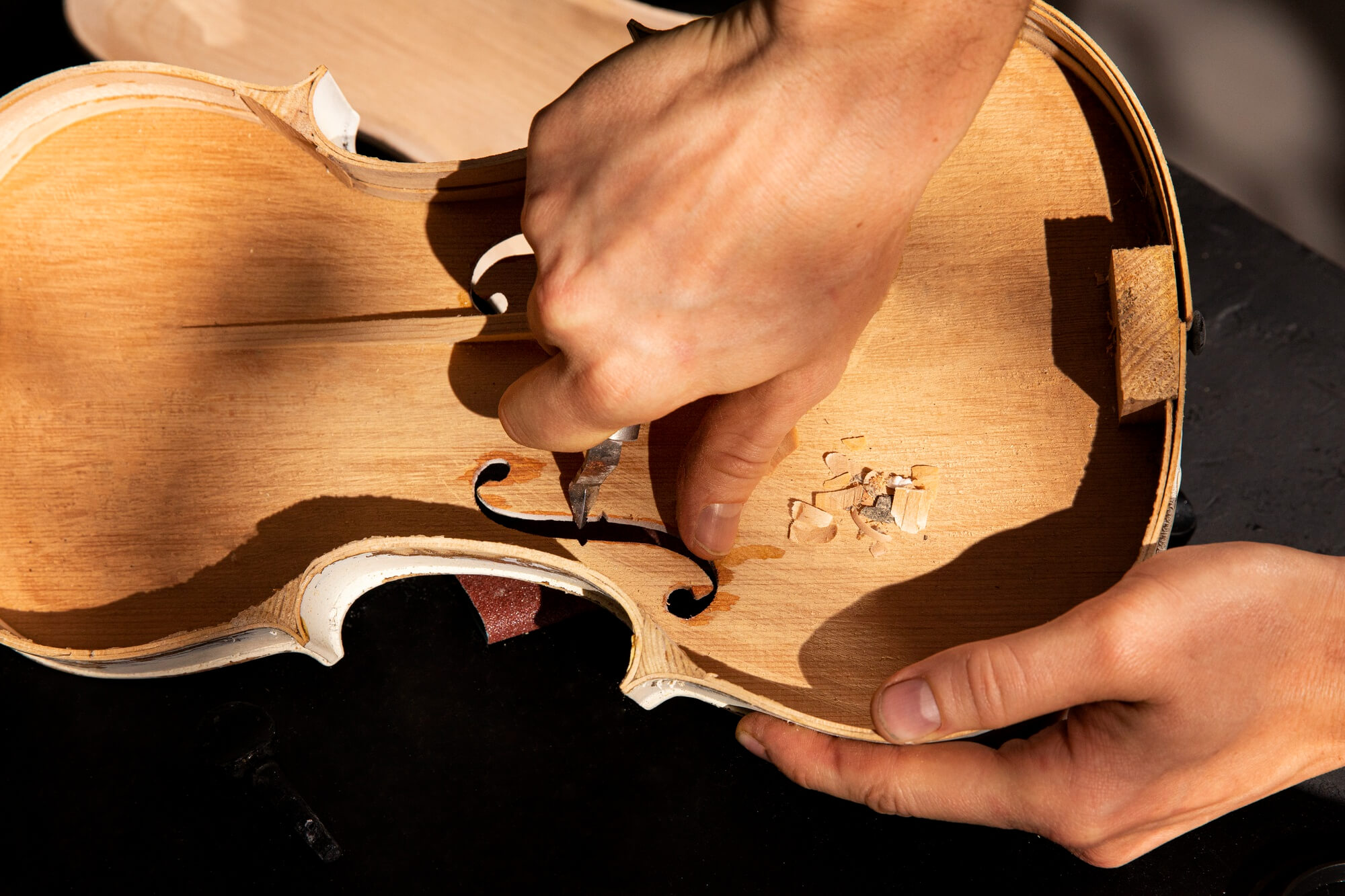
Fun Fact: Why Stradivarius Violins Still Lead
Stradivarius violins, built over 300 years ago, are still considered some of the finest instruments ever created. Despite centuries of technological progress, no mass-produced violin has replicated their tone. Why? Depth of craftsmanship. Every piece was shaped with obsessive care, intended to last for generations.
It’s a reminder for leaders: speed gets you attention. Craftsmanship earns you legacy.
Leadership Shifts: From Instruction to Inspiration
Leaders in high-growth companies often default to “get it out the door.” But to harness craftsmanship, leadership needs to shift from control to context:
- Instead of issuing deadlines, explain the “why” behind excellence.
- Instead of chasing volume, coach for depth.
- Instead of applauding speed alone, reward thoughtful improvement.
Great leaders don’t simply demand more. They raise the bar for what “better” means.

The Craftsmanship Dividend
Teams that rediscover craftsmanship experience what we call the Craftsmanship Dividend:
- Lower burnout: Work is less chaotic, because systems and standards prevent constant firefighting.
- Higher retention: Talented people stay when they feel proud of the work they create.
- Sustainable growth: Clients and stakeholders return for quality, not novelty.
Depth creates its own momentum. The more you invest in it, the more it pays back in resilience, reputation, and results.
Final Thoughts: Choose Excellence Over Expedience
In high-growth environments, speed feels urgent. Craftsmanship feels indulgent. But the reality is the opposite: without depth, speed collapses. With craftsmanship, growth compounds.
As a leader, your challenge isn’t to slow everything down. It’s to remind your team that how you build matters as much as how fast. Excellence is a culture, not a checkbox.
The leaders who win in this next phase of growth won’t be the ones who move fastest. They’ll be the ones whose teams are proudest of the work they leave behind.
Download the AI Leadership Playbook
If you’re ready to move from quick fixes to lasting results, our free AI leadership playbook gives you the prompts, frameworks, and rituals to bring craftsmanship into the age of AI. Practical, strategic, and people-first.
Download here


Subscribe to our Podcast
Hosted by our very own Ben Stocken and Benjamin Wade our ‘How They Lead’ podcast aims to evolve the way people perform in leadership roles by showcasing a variety of high performance interviews with people from Patrick Kershaw from The RAF Red Arrows to CEO’s like Steve Phillips who help large brands like Pepsi, Mars and Unilever.
Get one step ahead – Click below to subscribe.